


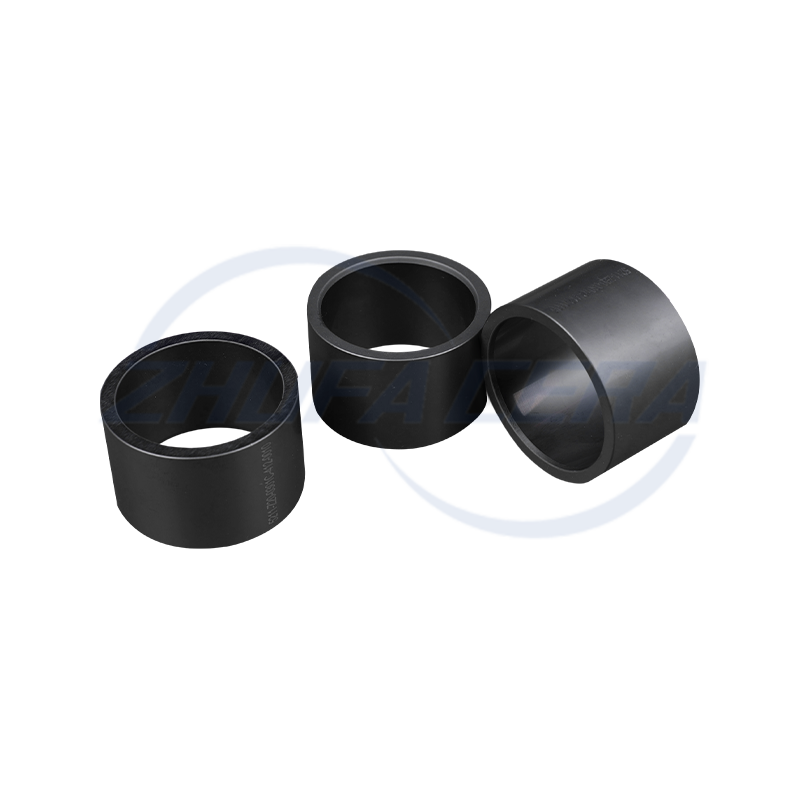
Siyah silisyum karbür seramik halka, hassas kalıplama ve yüksek sıcaklıkta sinterleme yoluyla yüksek saflıkta silisyum karbürden yapılmış, yüksek performanslı tasarlanmış bir seramik düzeneğidir. D...
Ayrıntıları Gör
BİZİ TAKİP EDİN:


 Email: zf@zfcera.com
 Telephone: +86-188 8878 5188

Why are zirconia ceramic components generally more expensive than alumina ceramic components
2026-06-09
In the advanced ceramics market, standardized industrial components consistently show that Zirconia (ZrO₂) commands a significantly higher market price than Alumina (Al₂O₃). While extreme customization, ultra-high purity requirements, or complex machining can occasionally cause price inversions in niche applications, the broader market trend remains firm. Zirconia's premium pricing is deeply rooted in its inherent material properties and high technical barriers to entry. This cost divergence is driven by four core factors:
- The Raw Material Cost Gap
The most fundamental reason for the price disparity starts at the very beginning of the supply chain: the raw powder.
- Alumina (Al₂O₃): Aluminum is the most abundant metal element in the Earth's crust, ensuring widespread and stable raw material sources. Over a century of industrial refinement has yielded highly mature, large-scale production. Standard industrial-grade alumina powder typically costs only a few thousand RMB per ton.
- Zirconia (ZrO₂): Zirconium is a rare earth element with limited natural reserves and high extraction difficulty. Crucially, pure zirconia undergoes a destructive phase transformation during heating and cooling, causing volume changes that lead to cracking. To prevent this, it must undergo a "stabilization process"by doping it with rare earth elements like Yttrium, Calcium, or Magnesium (e.g., the widely used industrial 3Y-TZP powder). This complex compounding process drives the price up to tens or even over a hundred thousand RMB per ton, creating a raw material cost difference of several folds to dozens of folds.
- Unrivaled Performance & Value-Add
Known in the industry as "Ceramic Steel," zirconia boasts exceptional physical properties that offer high technical added value, surpassing standard alumina.
- Transformation Toughening & High Flexural Strength: The fatal flaw of conventional ceramics is brittleness. Zirconia counters this with a unique "Phase Transformation Toughening" When the material experiences external impact and develops micro-cracks, the tetragonal crystals surrounding the crack spontaneously transform into a monoclinic phase. This transformation induces a volume expansion that effectively "clamps" the crack shut, preventing further propagation. This steel-like impact resistance makes it ideal for harsh operating conditions.
- Superior Surface Finish: Zirconia features an ultra-fine grain structure, allowing it to achieve a flawless mirror finish after polishing, coupled with an exceptionally low coefficient of friction. In precision medical applications (e.g., dental implants, artificial joints) and high-end consumer goods (e.g., luxury smartwatch cases, precision cutlery), this premium texture and wear resistance command a substantial product premium.
- Tooling and Forming Process Costs
The distinct physical properties of zirconia powders make the early-stage forming and molding processes significantly more capital-intensive.
- Zirconia powder exhibits lower fluidity, complex binder formulation requirements, and a higher linear shrinkage rate during sintering compared to alumina, making it much harder to control.
- Whether utilizing dry pressing, isostatic pressing, or ceramic injection molding (CIM), zirconia requires highly precise and expensive mold designs to prevent warping, deformation, or micro-cracking post-sintering. Additionally, the subsequent debinding (degreasing) process demands extended cycle times. This results in longer production runs and higher quality-control costs to manage reject rates.
- Industry Q&A: Debunking Common Market Misconceptions
|
Q1: Why do some industry insiders claim that "Alumina is more expensive than Zirconia"? A: This claim usually stems from specific "high-end anomalies" rather than broad market trends. For instance, semiconductor etching chambers require ultra-high purity Alumina (99.99%+). Purifying alumina to this level is incredibly difficult, and sintering it requires extreme temperatures exceeding 1700°C, causing energy costs to spike exponentially. When paired with micron-level precision machining, these specialized alumina parts become exceptionally expensive. However, this represents an extreme, niche application and does not reflect the standard industrial parts market. |
|
Q2: How should procurement and engineering teams choose between the two in actual projects? A: You can reliably guide your selection using the industry's "Golden Rules" for cost-performance optimization: · Choose Alumina if: The component is large, requires ultra-high temperature resistance (>1500°C), high-frequency electrical insulation, strong chemical corrosion resistance, or standard wear resistance, and has a relatively straightforward geometry. Alumina offers overwhelming cost-performance advantages here. · Choose Zirconia if: The component is small, must withstand impact or drop risks, operates under high-frequency friction (e.g., precision plunger pumps, ceramic valves, cutting blades), or demands an ultra-smooth, mirror-like surface roughness (Ra). |
Summary
In the standard industrial ceramics market, Zirconia's premium price is driven by scarce raw materials, expensive rare-earth stabilization processes, and its irreplaceable 'Ceramic Steel' impact resistance. Understanding this underlying cost structure allows engineering and procurement teams to strike the perfect balance between material performance and procurement budgets during early-stage project development, eliminating unnecessary budget waste.
İlgili ürünler
-
-
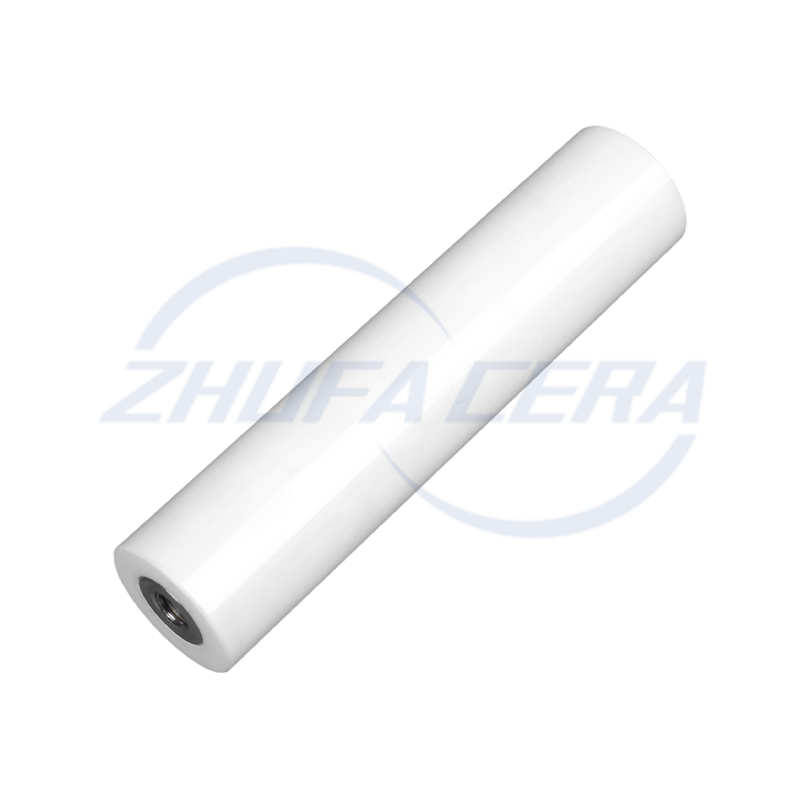
Zirkonya Seramik Çubuk, mükemmel mekanik mukavemet ve kimyasal stabiliteye sahip, çoğunlukla zirkonyum oksitten yapılmış, yüksek performanslı bir seramik malzeme çubuğudur. Son derece yüksek sertli...
Ayrıntıları Gör -
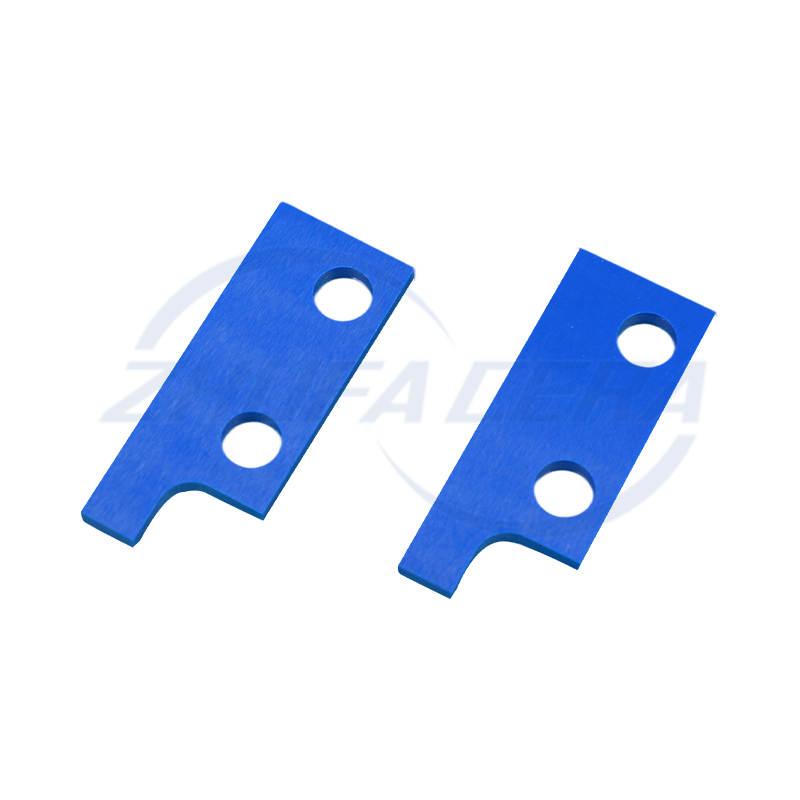
Mavi zirkonya seramik levhalar, gelişmiş zirkonya seramiklerinden yapılmış hassas bileşenlerdir. Mavi bir renk oluşturmak için kobalt, demir veya bakır ile boyanırlar. Bu renk yalnızca görsel bir t...
Ayrıntıları Gör -
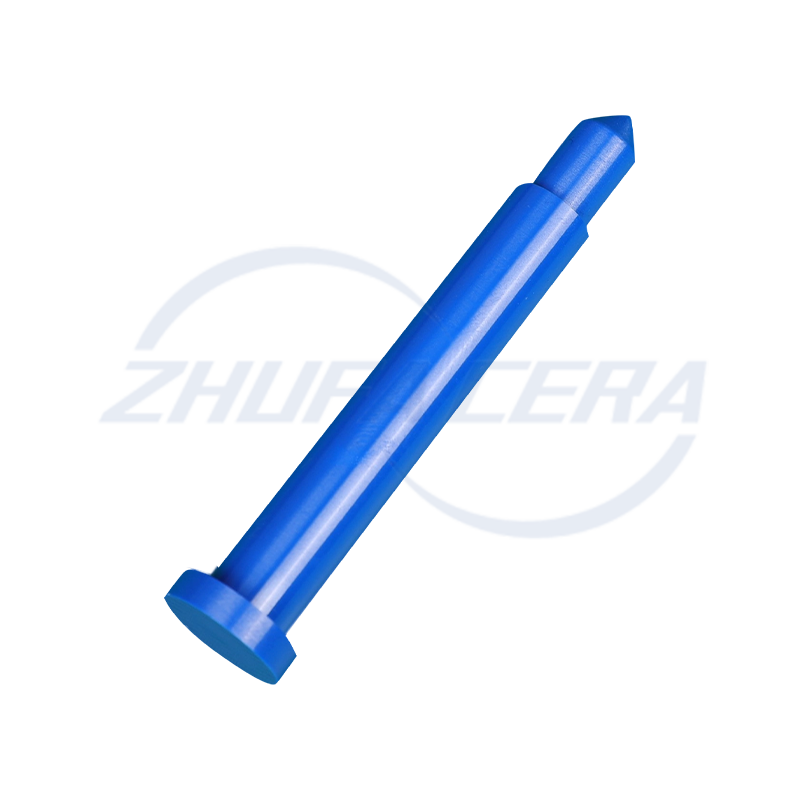
Bu mavi zirkonya seramik pimi, mükemmel dayanıklılık ve performans sağlayan gelişmiş zirkonya seramik malzemeden yapılmıştır. Zirkonya seramikleri, onları birçok metalden veya geleneksel seramikten...
Ayrıntıları Gör -
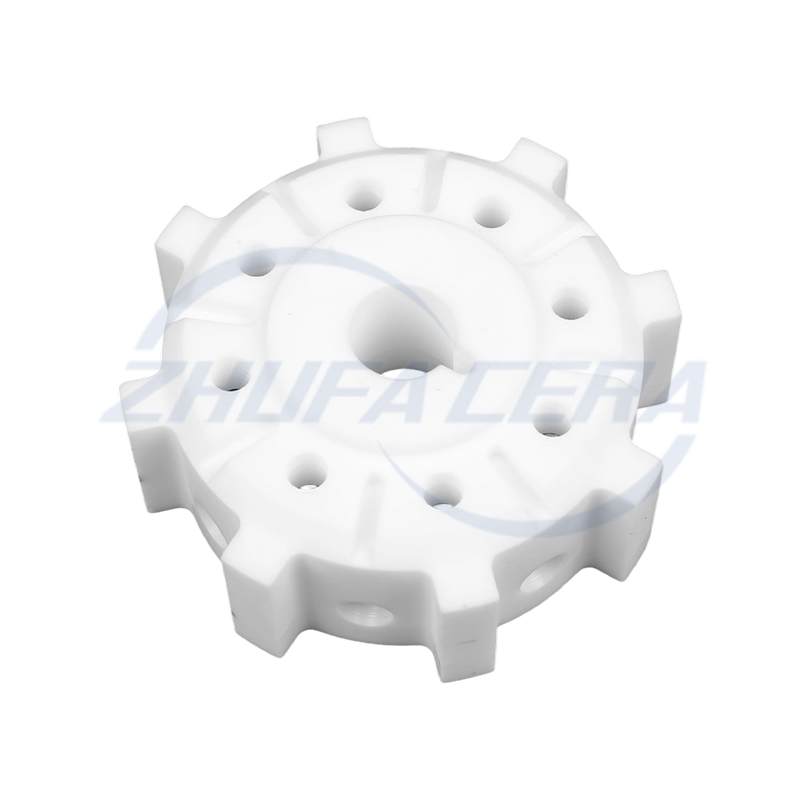
Zirkonya Seramik Dişli, mükemmel yüksek mukavemete ve yüksek sertliğe sahip zirkonyum oksit seramik malzemeden yapılmıştır. Bu malzeme özelliği, iletim işlemi sırasında aşınmaya etkili bir şekilde ...
Ayrıntıları Gör -
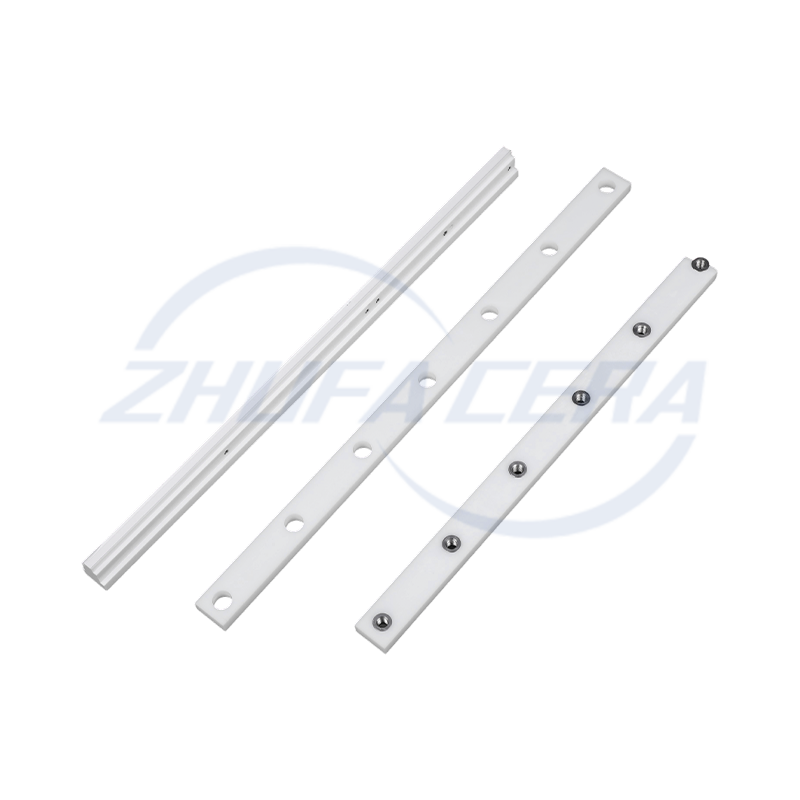
Zirkonya Seramik Kılavuz Rayı, zirkonyum oksit seramik malzemeden yapılmış, yüksek performanslı, hassas bir mekanik bileşendir. Temel özellikleri zirkonyum oksit seramiğin mükemmel fiziksel ve kimy...
Ayrıntıları Gör -
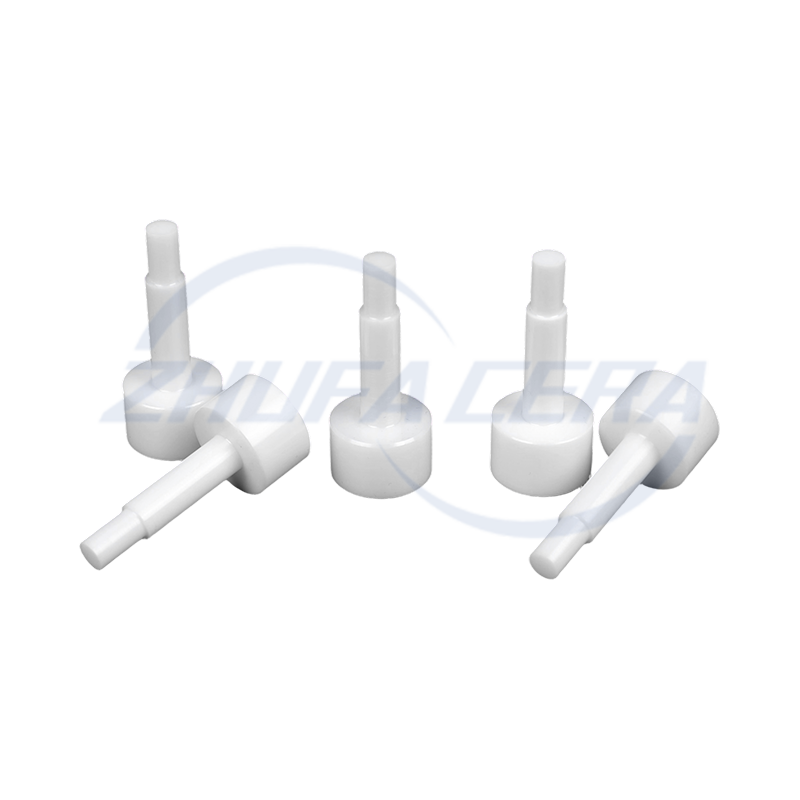
Zirkonya Seramik Yerleştirme Pimi, mükemmel fiziksel ve kimyasal özelliklere sahip gelişmiş zirkonyum oksit seramik malzemeden yapılmış, yüksek hassasiyetli bir konumlandırma elemanıdır. Ana özelli...
Ayrıntıları Gör -
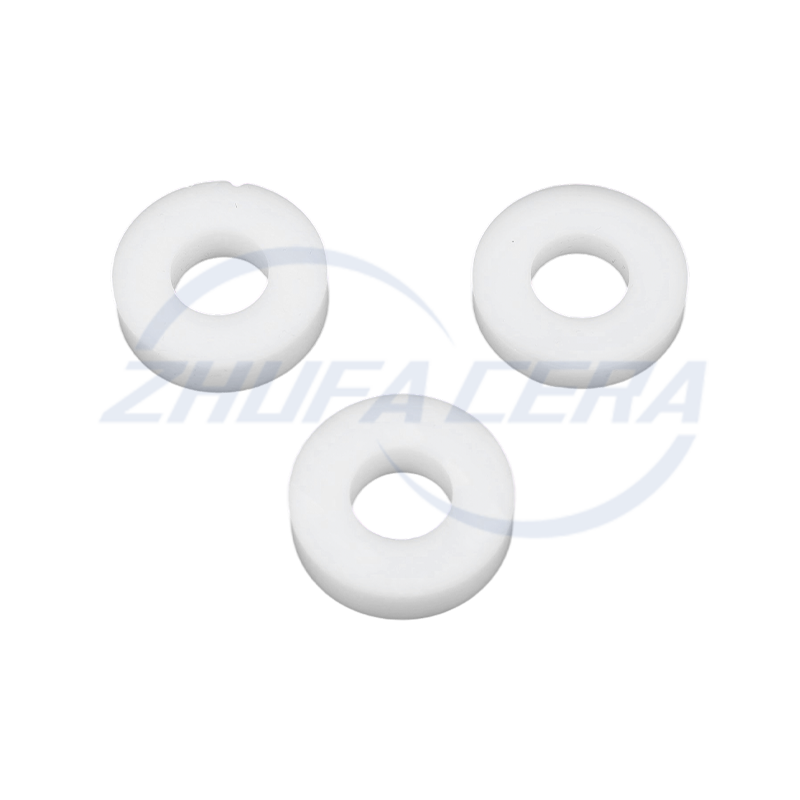
Zirkonya Seramik Halka, mükemmel fiziksel ve kimyasal özellikleriyle bilinen yüksek performanslı bir seramik üründür. Aşınmaya ve darbeye etkili bir şekilde direnebilen ve servis ömrünü uzatabilen,...
Ayrıntıları Gör -
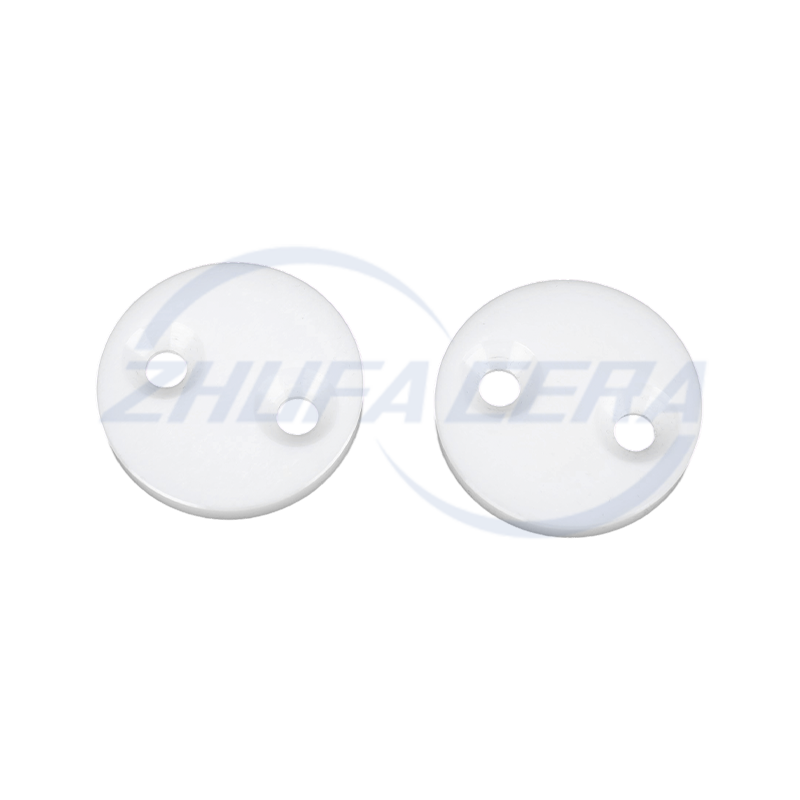
Zirkonya seramik levhalar benzersiz özellikleri sayesinde çeşitli alanlarda fonksiyonel çekirdek bileşenler haline gelmiştir. 900–1200 MPa bükülme mukavemeti ve 6–10 MPa・m¹/² kırılma dayanıklılığıy...
Ayrıntıları Gör -

Zirkonya Seramik Şerit, mükemmel fiziksel ve kimyasal özelliklere sahip, yüksek performanslı zirkonyum oksit seramikten yapılmış bir şerit malzemesidir. Son derece yüksek sertliğe ve bükülme mukave...
Ayrıntıları Gör -
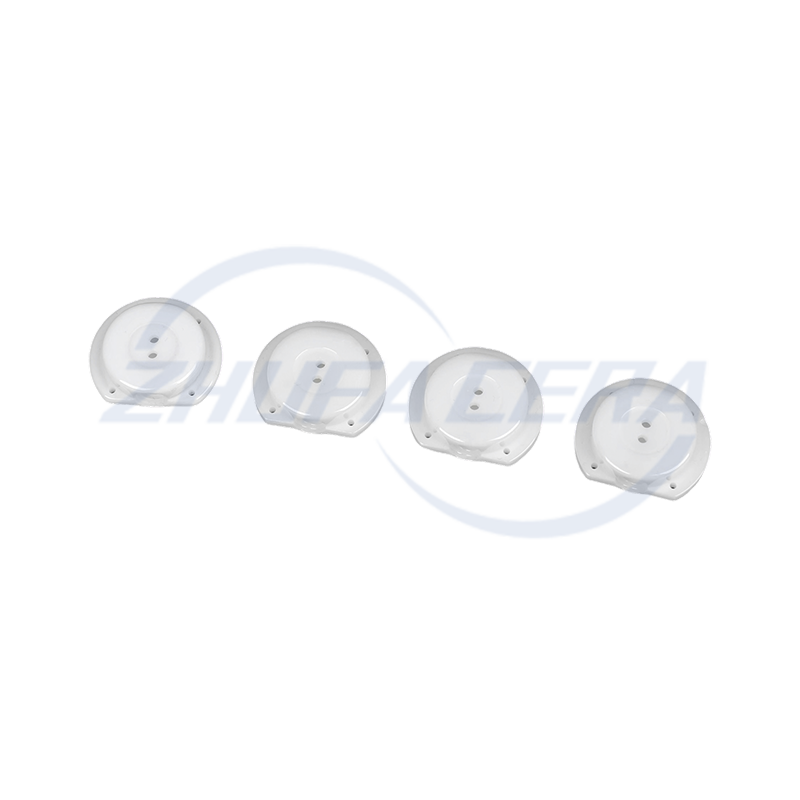
Zirkonya seramik levhalar, yüksek performanslı yapısal seramikler alanında temsili ürünlerdir. Geleneksel alümina seramik veya metal malzemelerle karşılaştırıldığında kapsamlı performans avantajlar...
Ayrıntıları Gör -
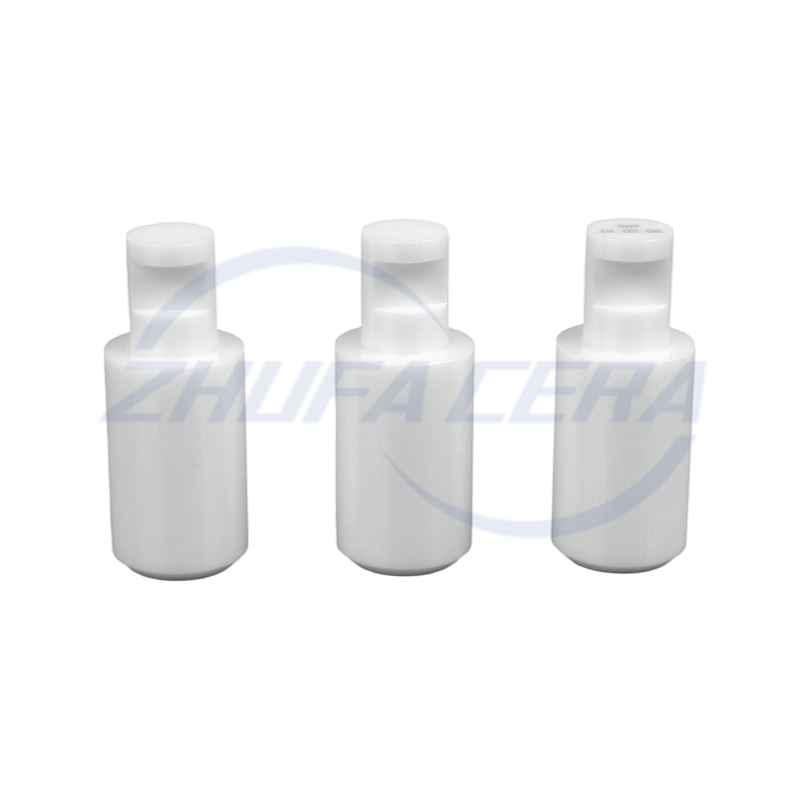
Zirkonya Seramik Piston, zorlu endüstriyel ortamlar için tasarlanmış yüksek performanslı bir bileşendir. Benzer seramik veya metal piston ürünleriyle karşılaştırıldığında benzersiz malzeme avantajl...
Ayrıntıları Gör


-
Hızlı Bağlantılar
Ana Sayfa Ürünler Hakkımızda Hizmetler Teknoloji Haberler Bize Ulaşın -
Ürünler
Seramik Yapısal Parçalar Zirkonya Seramikleri Alümina Seramikler ZTA Seramik Silisyum Nitrür Seramikleri Silisyum Karbür Seramikler Seramik Enjeksiyonlu Parçalar -
Hakkımızda
Fabrika Turu Onur SSS -
İletişim bilgileri
+86-188 8878 5188zf@zfcera.comNo. 1, Xinggong Yolu, Anchang Endüstri Parkı, Keqiao Bölgesi, Shaoxing Şehri, Zhejiang Eyaleti, Çin -
WhatsApp

Telif hakkı © Zhejiang Zhufa Hassas Seramik Teknolojisi Co, Ltd. Tüm Hakları Saklıdır.
Çin hassas seramik üreticisi
Toptan hassas seramik tedarikçisi
